|
 |
 |
 |
 |
 |
 |
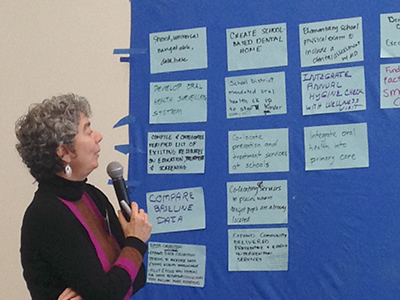
Strategic planning ensures organizations develop bold blueprints for success. Every strategic planning process is different because each organization is unique, yet each process contains a few essential elements: an analysis of the internal and external environment; broad participation throughout the organization and key external stakeholders (if appropriate); development of far-reaching, yet achievable goals, and effective actions to accomplish those goals; and determining how success will be measured. Development and/or revision of mission, vision and values statements can also be significant components of this process. The result: organizations are transformed and achieve remarkable, ongoing success that they have defined. These are not strategic planning documents that “sit on the shelf.” These are processes that engage the organization in new ways of approaching their work, with planning documents that are constantly referred to in the ensuing months and years.
|

|
Multicultural Training and Strategic Planning
Miriam Abrams and Associates has developed multicultural strategic planning processes in which cultural competency is the lens through which all organizational decisions are made. Using innovative methods and the VISIONS model of multicultural training, Miriam Abrams and Associates has helped organizations develop groundbreaking programs and organizational cultures that respect, appreciate and celebrate differences. Board Development Board development, clarifying board roles and responsibilities, and board effectiveness are some of the biggest challenges faced by today’s non-profit organizations. Miriam brings a custom-designed approach to each organization. Eschewing a “one size fits all” philosophy, Miriam will help your organization define the board’s role that’s appropriate for your particular circumstances, and based on that, determine what kinds of board members will be most effective for the organization’s current and future growth. Strategies for board member identification, recruitment, cultivation, training, evaluation and retention are also provided.
|